Fire Safety Audit
Course Overview
A fire safety audit is a hands-on review of how well your site can prevent, detect, and respond to a fire—on paper and on the ground. It’s not just “checking equipment”; it’s validating that people, processes, and protection systems will hold up under pressure.
If there’s one thing that shows up in almost every facility: the safety system looks fine until someone tries to use it in a hurry. This audit is designed to catch those weak points early.
What a fire safety audit should cover

Who we audit
Our audit approach
Your audit should feel structured, not vague. Wharton Sustainable Solutions carries out audits aligned with relevant IS standards and the National Building Code (NBC), and supports emergency plans and mock drills where needed.
What the on-site work typically includes:
• Physical walk-through of risk areas, exits, and housekeeping conditions.
• Review of fire detection/alarm provisions and emergency systems.
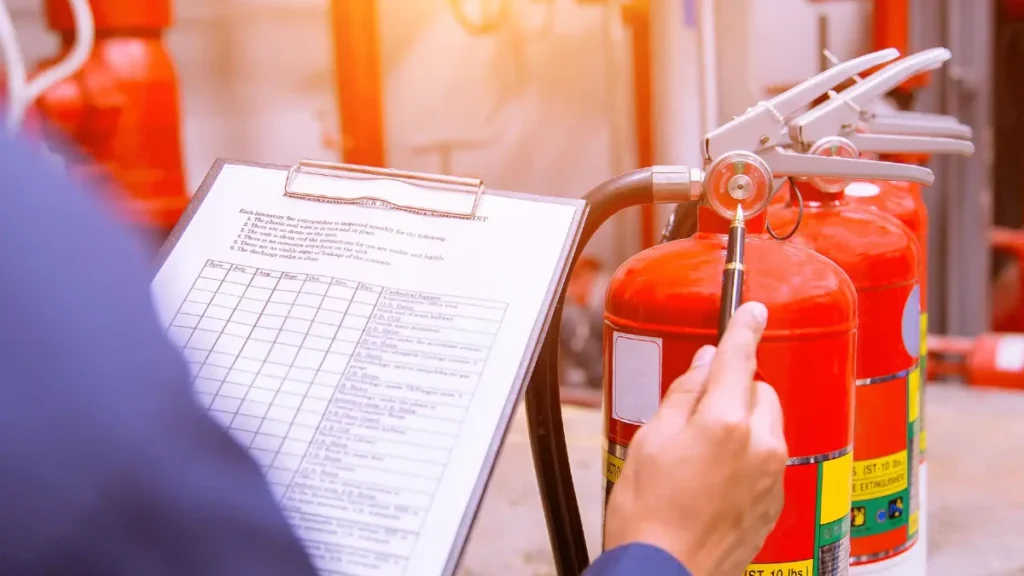
• Verification of firefighting systems (hydrants/sprinklers/extinguishers) and improvement recommendations.
What you’ll get after the audit
Competitor best-practice fire audits often include structured reporting such as dashboards/scoring, photo evidence, and prioritized recommendations to help leadership act quickly.Wharton Sustainable Solutions provides practical findings and recommendations focused on corrective and preventive actions—so your team knows what to fix first, and why.
- A gap list with risk priority (what’s urgent vs. what’s important).
- System-wise recommendations (alarms, extinguishers, hydrants/sprinklers, exits, storage areas).
- Support for fire emergency plans and mock drills to build real readiness.
Simple ways to prepare
(so the visit runs smoothly)
Before the audit day:
• Keep fire system service/maintenance records available (alarms, pumps, hydrants, extinguishers).
• Ensure access to electrical rooms, pump rooms, and chemical storage/handling areas.
• Nominate one site coordinator who can answer layout/process questions quickly