Work at Height Safety in Construction: Saving Lives One Step at a Time
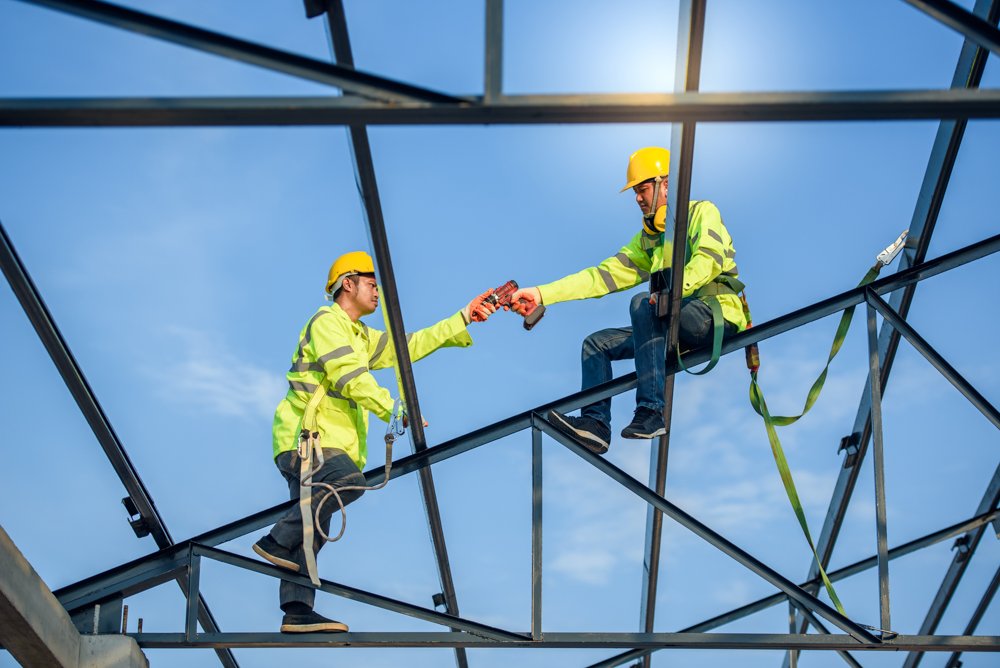
Working at height is one of the leading causes of serious injuries and fatalities in the construction industry. Whether workers are erecting scaffolding, installing structural steel, roofing, painting, or carrying out maintenance, a single fall can have devastating consequences for individuals, families, and businesses.
According to global health and safety statistics, falls from height remain one of the most common causes of fatal workplace accidents. The good news is that most of these incidents are preventable through proper planning, risk assessment, competent supervision, and the use of suitable fall protection systems.
At Wharton Sustainable Solutions, we believe that every worker has the right to return home safely after every shift. Developing a strong safety culture starts with understanding and controlling the risks associated with working at height.
What is Work at Height?
Work at height refers to any activity where a person could fall from one level to another and suffer injury. It includes work performed:
• On scaffolding
• On roofs
• On ladders
• On elevated work platforms (MEWPs)
• On structural steel
• Near floor openings or roof edges
• On formwork and falsework
• During tower crane erection or dismantling
• On tanks, silos, and elevated structures
Even a fall from a relatively low height can result in serious injury or death.
Why is Work at Height Safety Important?
Falls from height continue to be one of the leading causes of fatalities in construction projects worldwide. Beyond the human cost, fall-related incidents can lead to:
• Loss of life and life-changing injuries
• Project delays
• Legal action and regulatory penalties
• Increased insurance and compensation costs
• Damage to equipment and materials
• Reduced workforce morale
• Loss of client confidence and company reputation
A proactive approach to work at height safety not only protects workers but also improves productivity and project performance.
Common Hazards Associated with Working at Height
Construction sites present numerous fall hazards, including:
• Unprotected roof edges
• Unsafe or damaged scaffolding
• Improper use of ladders
• Open floor openings and lift shafts
• Fragile roofs and skylights
• Slippery surfaces due to rain or poor housekeeping
• Falling tools and construction materials
• High winds affecting balance and stability
• Inadequate lighting during night work
• Lack of edge protection or guardrails
Identifying these hazards before work begins is essential for preventing accidents.
Essential Safety Measures for Working at Height
1. Conduct a Risk Assessment
Before starting any work at height:
• Identify potential hazards.
• Assess who may be affected.
• Evaluate the level of risk.
• Implement suitable control measures.
• Review the assessment regularly as site conditions change.
2. Plan the Work Properly
Safe work at height begins long before workers leave the ground.
Planning should include:
• Selection of the safest working method.
• Suitable access equipment.
• Emergency rescue arrangements.
• Weather condition monitoring.
• Permit-to-work systems where required.
• Competent supervision throughout the activity.
3. Use the Right Access Equipment
Choose equipment appropriate for the task, such as:
• Certified scaffolding
• Mobile Elevated Work Platforms (MEWPs)
• Scissor lifts
• Boom lifts
• Tower scaffolds
• Fixed working platforms
4. Implement Fall Protection Systems
Where the risk of falling cannot be eliminated, suitable fall protection must be provided.
Common fall protection systems include:
• Full body safety harnesses
• Shock-absorbing lanyards
• Self-retracting lifelines
• Horizontal and vertical lifeline systems
• Guardrails
• Safety nets
• Anchorage points certified for fall arrest
5. Inspect Scaffolding Regularly
Scaffolding should:
• Be erected by competent personnel.
• Be inspected before first use.
• Be checked after modification.
• Be inspected following adverse weather conditions.
• Display inspection tags indicating safe use.
6. Ensure Workers are Competent
Training is one of the most effective ways to prevent falls.
Workers should receive training on:
• Hazard identification
• Safe work procedures
• Harness inspection and use
• Emergency rescue procedures
• Ladder safety
• Scaffold safety
• Fall arrest systems
• Reporting unsafe conditions
7. Monitor Weather Conditions
Rain, high winds, and lightning significantly increase the risks associated with working at height.
Suspend work when conditions become unsafe, particularly during:
• Heavy rainfall
• Strong winds
• Electrical storms
• Poor visibility
8. Prevent Falling Objects
Work at height also creates risks for people below.
Control measures include:
• Securing tools with lanyards.
• Installing toe boards and debris netting.
• Establishing exclusion zones beneath elevated work.
• Requiring workers below to wear safety helmets.
Personal Protective Equipment (PPE)
PPE is the last line of defence and should always be used alongside engineering and administrative controls.
Essential PPE may include:
• Safety helmet with chin strap
• Full body harness
• Shock-absorbing lanyard
• Non-slip safety footwear
• High-visibility clothing
• Protective gloves
• Eye protection where necessary
Why Work at Height Training Matters
Proper training equips workers and supervisors with the knowledge and confidence to work safely.
Training helps participants:
• Understand fall hazards.
• Select appropriate control measures.
• Use fall protection equipment correctly.
• Conduct risk assessments.
• Comply with workplace safety requirements.
• Respond effectively during emergencies.
Learn with Wharton Sustainable Solutions
At Wharton Sustainable Solutions, we provide practical, industry-focused health and safety training designed to improve workplace performance and protect lives.
Our programmes include:
• Work at Height Safety Training
• IOSH Managing Safely
• OSHA 30 Hours
• Scaffolding Safety
• Permit to Work Training
• Construction Safety Training
• Behaviour-Based Safety Programmes