India Monsoon Safety Tips: Protecting Lives During the Rainy Season
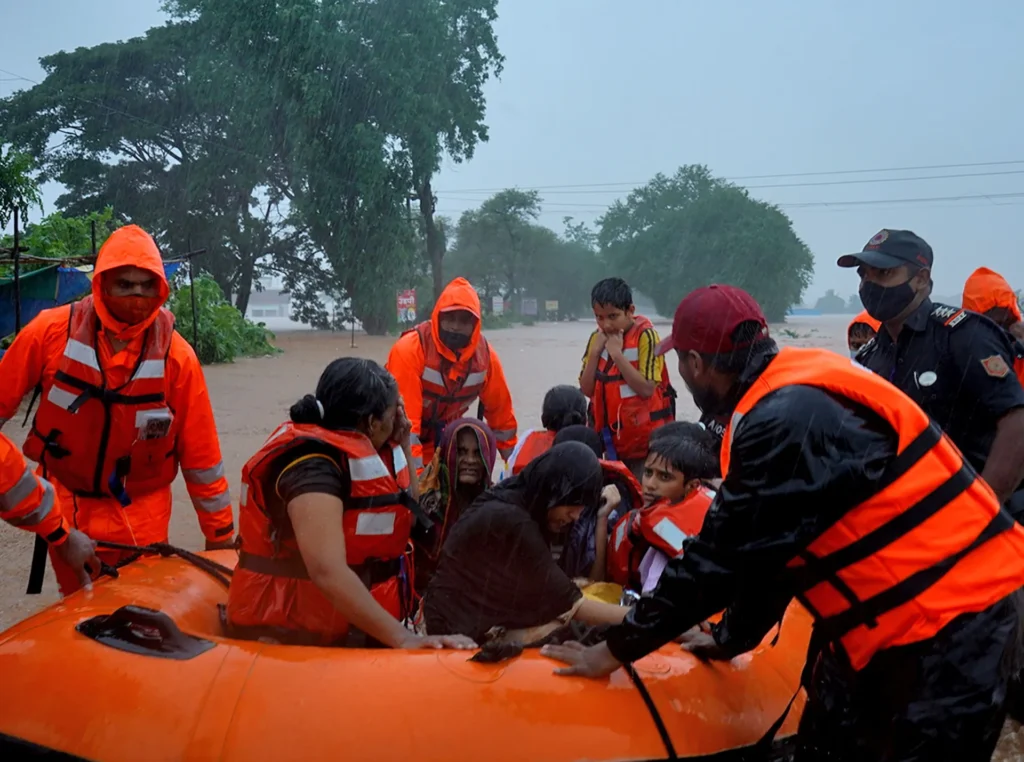
The monsoon season brings welcome relief from the summer heat and plays a vital role in India’s agriculture and water resources. However, heavy rainfall, flooding, lightning, waterlogging, and strong winds also create serious safety risks for individuals, workplaces, and businesses.
Every year, accidents caused by slippery surfaces, electrical hazards, poor visibility, road incidents, and flooding result in injuries, property damage, and even loss of life. Whether you are working in construction, manufacturing, logistics, or simply commuting to work, taking the right precautions can significantly reduce these risks.
Why Monsoon Safety is Important
Heavy rainfall can affect almost every aspect of daily life and business operations. Common monsoon-related hazards include:
• Slips, trips, and falls on wet surfaces
• Flooded roads and waterlogged work areas
• Electrical shocks from damaged wiring or equipment
• Lightning strikes during thunderstorms
• Falling trees, scaffolding, or loose materials due to strong winds
• Reduced visibility while driving
• Waterborne diseases caused by contaminated water
• Mosquito-borne illnesses such as dengue and malaria
Preparing for these hazards helps protect employees, families, and communities.
General Monsoon Safety Tips
Everyone should follow these basic precautions during the rainy season:
• Carry an umbrella or raincoat when travelling.
• Wear non-slip footwear to reduce the risk of falls.
• Avoid walking through flooded roads, as open drains and potholes may be hidden beneath the water.
• Stay away from fallen electrical wires and damaged utility poles.
• Do not shelter under isolated trees during thunderstorms.
• Keep emergency contact numbers readily available.
• Drink clean, safe water and maintain good personal hygiene.
• Stay updated with weather forecasts and local authority advisories.
Workplace Monsoon Safety
Organizations should prepare for the rainy season by implementing preventive safety measures, including:
1. Inspect Electrical Systems
• Check electrical panels and cables for water ingress.
• Ensure all temporary electrical connections are weatherproof.
• Use Residual Current Devices (RCDs) where required.
• Never operate electrical equipment with wet hands.
2. Prevent Slips and Falls
• Display “Wet Floor” warning signs.
• Improve housekeeping to remove standing water.
• Install anti-slip mats at entrances and walkways.
• Ensure adequate lighting in work areas.
3. Emergency Preparedness
• Review emergency evacuation procedures.
• Ensure first aid kits are fully stocked.
• Test emergency communication systems.
• Identify safe assembly points that are not prone to flooding.
Construction Site Safety During Monsoon
Construction sites become significantly more hazardous during heavy rain. Site managers should:
• Suspend work at height during thunderstorms or strong winds.
• Inspect scaffolding, ladders, and temporary structures after heavy rainfall.
• Secure loose materials to prevent them from being blown away.
• Improve drainage to avoid water accumulation.
• Protect excavation areas from collapse by providing proper shoring and drainage.
• Ensure workers wear waterproof PPE and high-visibility clothing.
• Conduct daily toolbox talks focusing on monsoon-related hazards.
Road Safety During Rain
Driving during heavy rain requires extra caution.
Remember to:
• Reduce vehicle speed.
• Maintain a safe following distance.
• Use headlights when visibility is poor.
• Avoid sudden braking or sharp turns.
• Never drive through flooded roads unless it is confirmed safe.
• Check tyre condition and brakes regularly.
• Avoid distractions while driving.
Motorcyclists should wear reflective rain gear and ensure helmets have clear visors.
Lightning Safety
Lightning can strike even before heavy rain begins.
If thunderstorms develop:
• Move indoors immediately.
• Avoid open fields and elevated areas.
• Stay away from metal structures and electrical equipment.
• Disconnect unnecessary electrical appliances if safe to do so.
• Resume outdoor activities only after the storm has completely passed.
Health Precautions During Monsoon
The rainy season also increases the risk of infectious diseases.
Protect yourself by:
• Drinking boiled or filtered water.
• Avoiding stagnant water around homes and workplaces.
• Wearing long sleeves where mosquitoes are common.
• Keeping food covered and properly stored.
• Washing hands regularly.
• Seeking medical attention if fever or persistent illness develops.
The Importance of Safety Awareness
Many monsoon-related incidents can be prevented through awareness, planning, and responsible behaviour. Organizations should provide seasonal safety briefings, conduct workplace inspections, and encourage employees to report unsafe conditions promptly.
Safety is everyone’s responsibility, and simple precautions can make a significant difference in preventing accidents.
Conclusion
India’s monsoon is essential for the country’s environment and economy, but it also presents unique safety challenges. By staying informed, preparing workplaces, and following safe practices, individuals and organizations can reduce risks and ensure a safer rainy season.
At Wharton Sustainable Solutions, we are committed to promoting workplace health, safety, and environmental excellence through internationally recognized training programmes, including IOSH Managing Safely, OSHA 30 Hours, ISEP Environment & Sustainability Skills for manager and industry-specific health and safety courses.
Together, let’s make this monsoon season safe for everyone.
Stay Alert. Stay Prepared. Stay Safe.